Leveraging MIS for Supply Chain and Logistics Optimization
In today’s hyper-competitive business landscape, efficiency is not just an advantage—it’s a necessity. Companies are under constant pressure to deliver products faster, manage costs, and maintain high service levels. This is where Management Information Systems (MIS) play a critical role in transforming supply chain and logistics operations. By integrating technology, data, and decision-making, MIS enables businesses to optimize processes, reduce inefficiencies, and make informed strategic choices.
Can Management Information Systems make your logistics flawless?
Efficiency is no longer optional—it's essential. Leverage MIS to transform your supply chain and logistics. Optimize, analyze, and stay ahead!
What is MIS?
A Management Information System (MIS) is a structured framework that collects, processes, stores, and disseminates information to support managerial decision-making. In the context of supply chain and logistics, MIS provides real-time insights into inventory levels, transportation status, demand forecasts, supplier performance, and more. Essentially, MIS acts as the central nervous system of supply chain operations.
Role of MIS in Supply Chain Management
Supply chains are complex networks involving suppliers, manufacturers, warehouses, distributors, and retailers. MIS enhances supply chain management in several ways:
- Inventory Management: MIS allows companies to track inventory in real time, minimizing stockouts and overstock situations. With accurate inventory data, managers can plan procurement and production efficiently, reducing carrying costs and avoiding waste.
- Demand Forecasting: By analyzing historical sales data, market trends, and seasonal patterns, MIS helps predict future demand. Accurate forecasts enable better production scheduling, optimized inventory levels, and improved customer satisfaction.
- Supplier and Vendor Management: MIS enables monitoring supplier performance, including delivery times, quality, and costs. This data allows businesses to select the best partners and negotiate better terms, ensuring a more reliable supply chain.
- Transportation and Logistics Optimization: MIS tracks shipments, routes, and delivery times, helping logistics managers optimize transportation networks. By identifying bottlenecks and inefficiencies, companies can reduce fuel costs, improve delivery speeds, and enhance overall service quality.
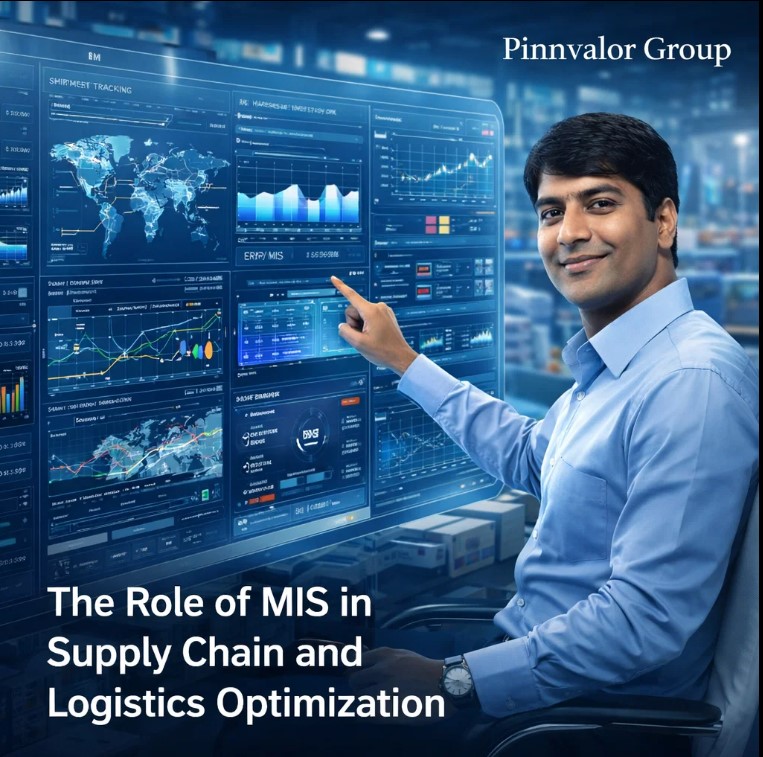
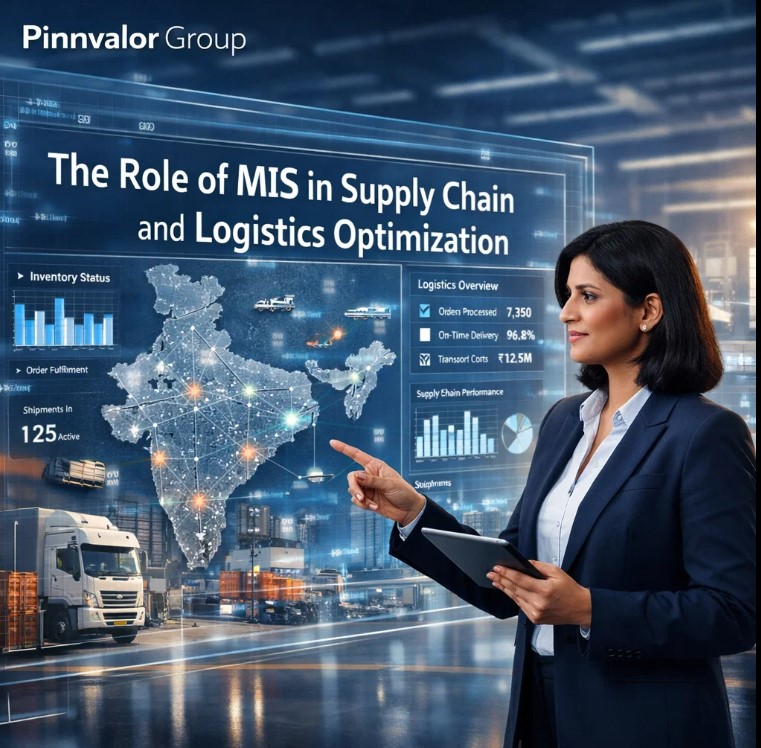
- Performance Monitoring and Analytics: MIS provides dashboards and reports that track key performance indicators (KPIs) such as order fulfillment rates, lead times, and cost per shipment. These insights support data-driven decision-making and continuous improvement.
Benefits of MIS in Supply Chain and Logistics
Implementing an effective MIS in supply chain operations brings multiple benefits:
- Operational Efficiency: Streamlines processes, reduces manual errors, and saves time.
- Cost Reduction: Optimizes inventory, transportation, and procurement costs.
- Enhanced Decision-Making: Real-time insights empower managers to make informed decisions quickly.
- Improved Customer Satisfaction: Faster deliveries, accurate orders, and better service quality.
- Scalability: Supports growth by providing a framework to manage increasing supply chain complexity.
Challenges and Considerations
While MIS offers significant advantages, organizations must be aware of potential challenges:
- Data Accuracy: MIS is only as effective as the quality of data fed into it. Inaccurate data can lead to poor decisions.
- Integration Issues: Integrating MIS with existing ERP systems, CRM software, or IoT devices can be complex.
- Cost and Resource Requirements: Implementing MIS requires investment in technology, infrastructure, and skilled personnel.
- Change Management: Employees need training to adapt to new systems and processes.
Future Trends in MIS for Supply Chain Optimization
The future of MIS in supply chain management is closely linked to emerging technologies:
- Artificial Intelligence & Machine Learning: Predictive analytics for demand forecasting and inventory optimization.
- IoT Integration: Real-time tracking of goods through sensors and smart devices.
- Blockchain Technology: Enhanced transparency and traceability across the supply chain.
- Cloud-Based MIS: Enables scalability, flexibility, and remote access to supply chain data.
Conclusion
In an era where supply chains are increasingly global and complex, leveraging MIS for supply chain and logistics optimization is no longer optional—it’s essential. By providing real-time insights, predictive analytics, and decision-making support, MIS empowers businesses to reduce costs, enhance efficiency, and deliver superior customer experiences. Companies that embrace MIS in their supply chain operations are better equipped to navigate uncertainties, stay competitive, and achieve sustainable growth.