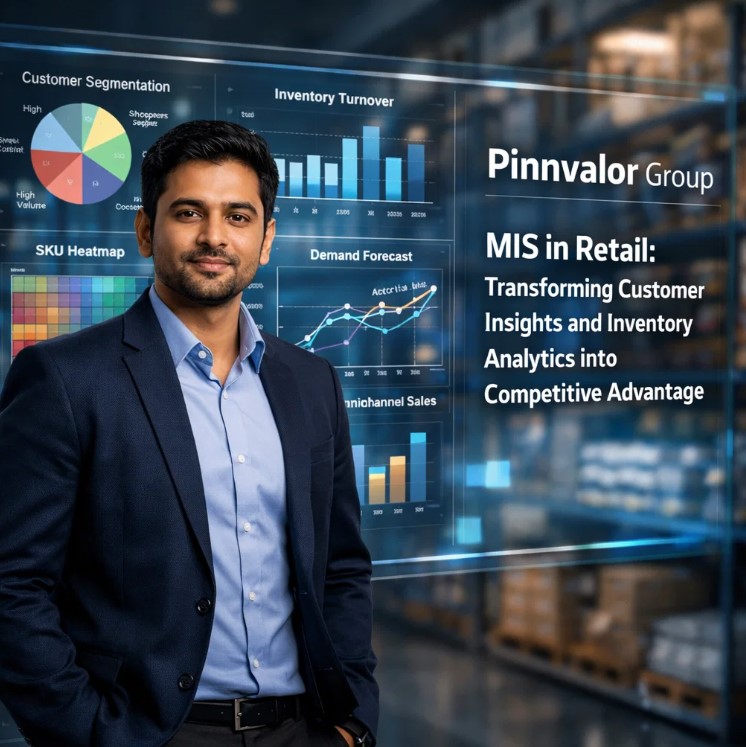
MIS in Retail: Transforming Customer Insights and Inventory Analytics into Competitive Advantage
In today’s hyper-competitive retail environment, success is driven by data-powered decisions rather than intuition alone. Management Information Systems (MIS) enable retailers to convert raw transactional and operational data into strategic insights. From understanding customer behavior to optimizing inventory levels, MIS has become the backbone of modern retail excellence.
Are stockouts and overstocks costing you more than you realize?
Retail leaders don’t just track numbers — they interpret patterns. Those who convert insights into action turn information into competitive dominance.
1. The Strategic Role of MIS in Retail
Retail businesses generate vast amounts of data daily — from point-of-sale transactions to loyalty program interactions. An effective MIS transforms this data into actionable intelligence.
- Real-time performance dashboards for sales and profitability tracking
- Predictive demand forecasting for smarter replenishment planning
- Customer segmentation models for targeted marketing
- Inventory optimization reports to reduce working capital strain
An integrated MIS connects POS systems, CRM platforms, supply chain systems, and finance modules into a unified decision-support framework.
2. Customer Insights: Turning Data into Revenue Growth
A. Customer Segmentation and Profiling
MIS enables retailers to segment customers based on purchasing behavior and value contribution.
- Purchase frequency
- Average transaction value
- Product preferences
- Seasonal buying trends
This segmentation supports personalized campaigns and improves marketing ROI.
B. Behavioral Analytics
Advanced retail MIS analyzes buying patterns to uncover hidden opportunities.
- Basket analysis (frequently bought together products)
- Conversion rate tracking
- Channel performance analysis (online vs offline)
These insights refine pricing, bundling, cross-selling, and promotional strategies.
C. Loyalty Program Optimization
MIS helps measure and enhance long-term customer relationships through data-backed metrics.
- Customer Lifetime Value (CLV)
- Retention rates
- Repeat purchase ratios
This enables smarter allocation of marketing budgets and improved retention strategies.
3. Inventory Analytics: From Reactive to Predictive Retailing
Inventory mismanagement directly affects profitability. MIS-driven analytics shifts inventory control from reactive replenishment to predictive optimization.
A. Demand Forecasting
- Historical sales analysis
- Seasonal trend modeling
- Reorder point optimization
Accurate forecasting reduces stockouts and excess inventory costs.
B. Real-Time Stock Monitoring
- SKU-level visibility
- Multi-store inventory tracking
- Warehouse-to-store movement insights
Real-time monitoring enhances operational efficiency and customer satisfaction.
C. Inventory Turnover Analysis
- Inventory turnover ratio calculation
- Dead stock identification
- Slow-moving item reporting
These metrics improve working capital management and overall profitability.
4. Integrating Customer and Inventory Data: The Competitive Edge
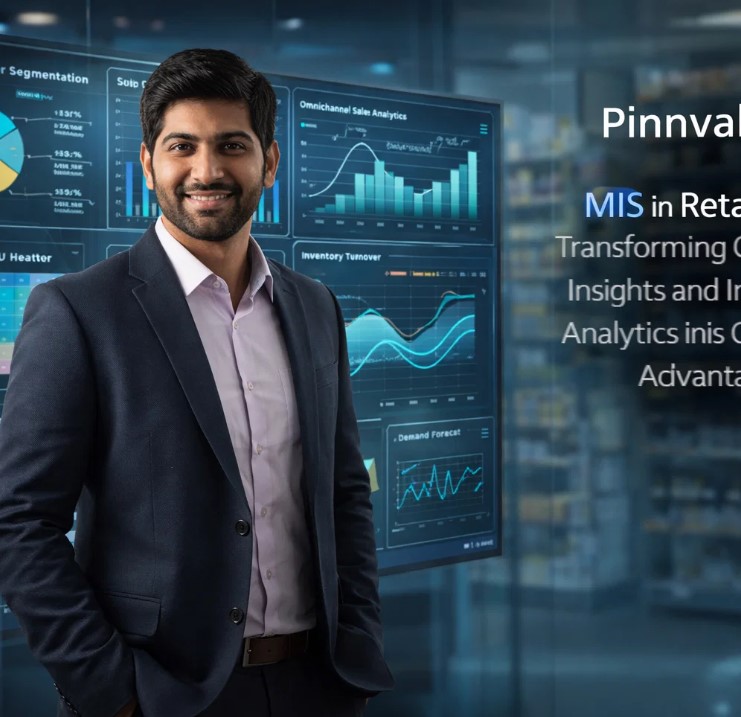
The true power of retail MIS lies in integrating customer insights with inventory analytics.
- Aligning stock levels with high-demand customer segments
- Synchronizing promotions with product availability
- Regional stocking strategies based on geographic buying trends
This integration enables data-driven merchandising and smarter procurement decisions.
5. Business Impact of MIS in Retail
Retailers leveraging advanced MIS frameworks typically experience:
- Improved gross margins
- Reduced inventory carrying costs
- Higher customer satisfaction
- Faster decision-making cycles
- Enhanced marketing ROI
In an omnichannel retail ecosystem, MIS becomes a strategic growth engine rather than just a reporting tool.
6. The Future of Retail MIS: AI-Driven Intelligence
The next evolution of retail MIS includes intelligent automation and predictive analytics.
- AI-powered recommendation engines
- Automated replenishment systems
- Predictive churn analysis
- Dynamic pricing optimization
Retailers investing in intelligent MIS infrastructures will gain a sustainable competitive advantage in an increasingly data-centric market.
Conclusion
MIS in retail is no longer optional — it is a strategic necessity. By combining customer insights with inventory analytics, retailers can move from intuition-based decisions to precision-driven strategies. The future belongs to organizations that convert data into foresight, and MIS is the engine powering that transformation.